
Summer 2027 · Subject to Department of Education approval
Summer Courses in Behaviour and Autism for Irish Teachers
Three 20-hour online courses, each designed to carry 3 EPV days for primary teachers. Take all three and you reach the annual maximum of five — from one specialist, rather than piecing it together across three providers.

Three courses · up to 5 EPV days · approval pending

Fully online, self-paced within the course period
PSI Chartered Psychologist & BCBA

Priority list open now
No payment and no commitment. We'll email you as soon as the courses are approved and dates are confirmed.
Three Courses. Five Days.
🐝 A single 20-hour Department-approved summer course earns a primary teacher 3 EPV days. Two courses earn 4. Three earn 5 — and 5 is the annual maximum.
🐝 Most teachers end up assembling those days from whatever different providers happen to be offering. We're submitting all three of ours together, so you can earn your full entitlement in one place — with one consistent approach, one set of materials, and content that builds properly from one course to the next.
🐝 All three courses are being submitted for approval for summer 2027. Nothing is confirmed until the Department decides, and we'll tell you either way.
The Courses

Why Kids Do What They Do
Behaviour · 20 hours · designed for 3 EPV days, approval pending
Behaviour makes sense once you can see what's driving it. This course gives you a way of working out why a behaviour is happening — and therefore which response will actually help — instead of a list of strategies to try in hope. Preventative, respectful and evidence-informed throughout.
Outcomes:
Describe behaviour objectively, and explain how classroom conditions shape it
Recognise patterns and form a working idea of what a behaviour is achieving for a pupil
Build a practical support plan for a pupil in your own setting
Understanding Autism
Autism · 20 hours · designed for 3 EPV days, approval pending
A neurodiversity-affirming grounding in how autistic pupils experience communication, sensory information, relationships and school — and what changes in a classroom once that's properly understood. Built around the Department of Education's Autism Good Practice Guidance for Schools, and informed by autistic voices throughout.
Outcomes:
Talk about autism accurately and respectfully, without functioning labels
Make classroom communication genuinely accessible across different communication styles
Recognise where environment, expectation or inflexible practice are creating distress

Creating a Supportive Environment for Autistic Children
Classroom practice · 20 hours · designed for 3 EPV days, approval pending
The most hands-on of the three. How the physical, sensory, communication, visual and social-emotional features of your room affect regulation, independence and participation — and, practically, what to change first. You finish with a plan for your own classroom rather than a folder of theory.
Outcomes:
Audit your own classroom across five environmental areas
Choose visual and communication supports that reduce reliance on adult prompting
Leave with a realistic return-to-school action plan for your room
How the Courses Run
-

Fully online, in five structured modules per course, worked through at your own pace within the course period. Each module combines pre-recorded and tutor-led content, professional reading, real classroom examples, downloadable resources and applied tasks.
-
Assessment is continuous and practical — everything you produce is something you can use. You apply the material to your own classroom as you go, and finish with a plan for a real pupil or a real room rather than an essay.
-

Twenty hours per course, completed in full. That's the Department's requirement, and partial completion earns nothing.
Who’s Teaching them
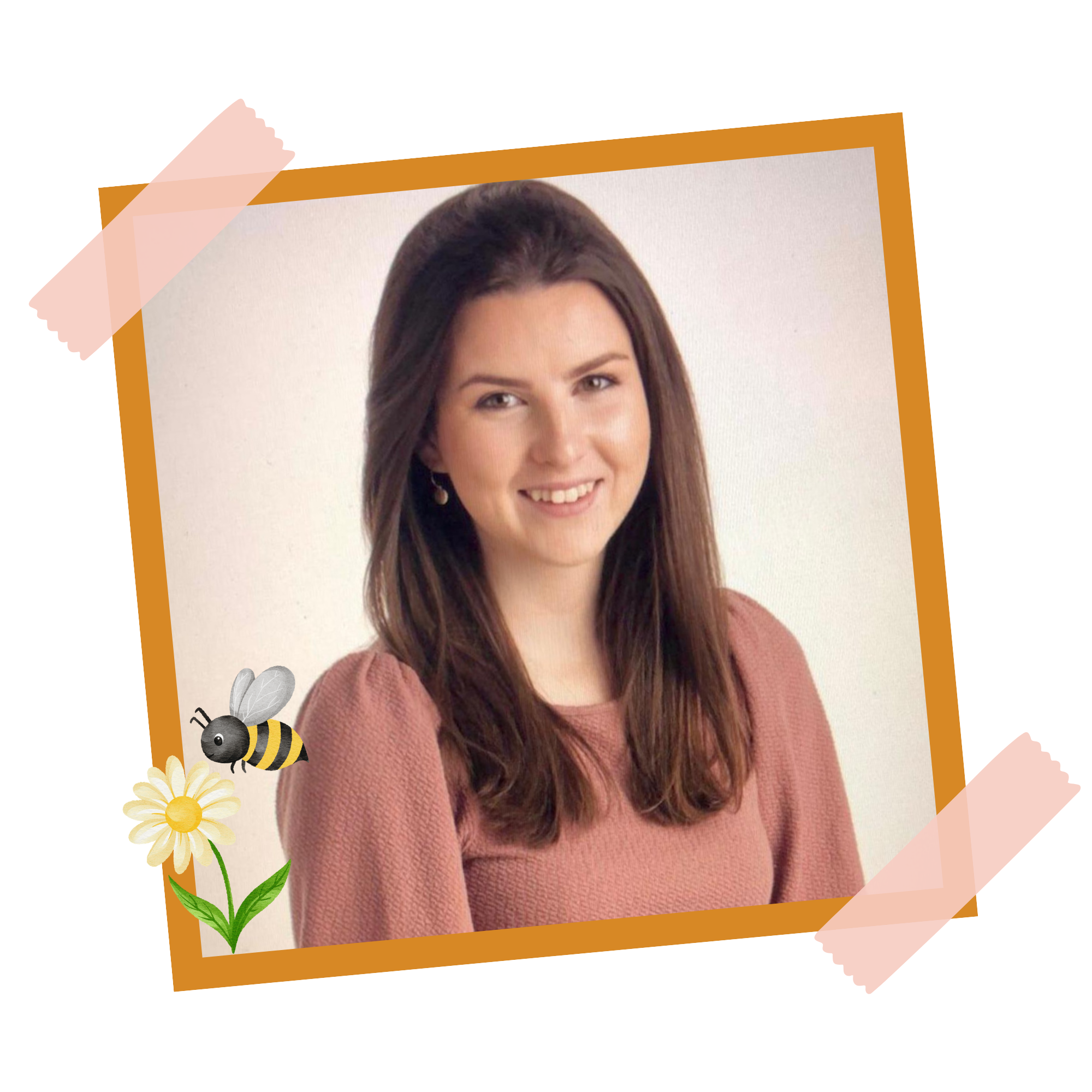
Catherine (Katie) Smyth, MSc, BCBA
a PSI Chartered Behaviour Psychologist and Board Certified Behaviour Analyst, with over a decade of clinical experience across the New England Center for Children in Boston, multidisciplinary teams in the UAE, and Ireland's residential care system.
She works in Irish classrooms every week, alongside teachers and SNAs, on exactly the situations these courses cover. The examples are real ones.
EPV Days, Explained Properly
Extra Personal Vacation days are additional days of leave a primary teacher can take during the school year, earned by completing a Department-approved summer course in their own holidays. They exist under Rule 58 of the Rules for National Schools.
One 20-hour course earns 3 EPV days. Two courses earn 4. Three courses earn 5, which is the annual maximum.
Primary teachers only. Post-primary teachers may attend approved courses but earn no EPV entitlement.
Summer only. Courses run inside the Department's summer window — in 2026 that ran from 1 July to 21 August.
The full 20 hours must be completed. Partial attendance earns nothing.
Taking the days is subject to your Board of Management, and many schools set their own rules about when they can be used.
One thing worth knowing: in-service training delivered to a school during the year cannot earn EPV days, whatever any provider tells you. Only approved summer courses carry the entitlement.
Join the 2027 Priority List
Be first to hear when the courses are approved and dates are released. No payment, no commitment, and we won't use your address for anything else.
Frequently Asked Questions
-
Not yet, and we won't pretend otherwise. Approval is granted by the Department of Education on the recommendation of the Inspectorate, and applications for summer 2027 are made early in the year. All three courses are written and ready to submit. Joining the priority list costs nothing and commits you to nothing.
-
That's exactly the idea, and it's why we're submitting all three together. Three approved 20-hour courses earn 5 EPV days, which is the annual maximum. Subject to approval, and subject to your Board of Management agreeing when you take them.
-
No. Each course stands alone and earns 3 days on its own. They complement each other, but there's no prerequisite and no fixed order.
-
We'll email you and tell you straight away. If we decide to run them as standalone professional development instead, you'll hear first and you'll be completely free to ignore it.
-
You'd be very welcome and the content applies just as well. You should know that EPV days are available to primary teachers only under the rules of the scheme, so you'd be doing the courses for the learning rather than for the leave. We also offer in-service days for post primary
-
We'll confirm pricing when dates are confirmed. Priority list members get first access and advance notice before general booking opens.
-
Yes. School in-service can be scheduled within Croke Park hours, which means no class contact time lost and no substitute cover needed. See our school training page for formats and rates.